 Portuguese
At the end of July 2012, was presented at the Palace of the Dukes, in Guimarães, Portugal, the book “Quando eu nasci aquela fábrica já ali estava – memórias, vivências e opiniões sobre o trabalho na indústria, em Guimarães” (in English, When I was born that factory was already there – memories, experiences and opinions about the work in the industry, in Guimarães). The presentation of the work was done by José Pacheco Pereira, with the presence of Maria da Luz Sampaio, museologist and author of the first chapter “A indústria na região de Guimarães” (in English, The industry in the region of Guimarães) Clara Vieira (researcher) and Luiza Cortesão, project coordinator, teacher emeritus of the University of Porto. It was effectively launched on November 13, 2012.
This publication is part of “Projeto Raízes” – Guimarães 2012/ European Capital of Culture, an initiative that should develops from research work of ethnographic and historical character, focusing primarily on the collection of memories, knowledge, events, joys and sufferings that marked and still mark the history, as well as the present of the region; about the problems identification that affected and/or still affect the population and institutions and on the identification and valuation of cultural and historical existing roots in the “vimaranense” context (natural of Guimarães, formerly called Vimaranes, toponym inspired by the conqueror Vímara Peres, probably in the ninth century). The intention is that all this source of data constitutes not only a matter to preserve because interesting in itself, but it also represents a symbolic nursery for grounding and inspiration from different artistic productions that are already and will be develop in the community.
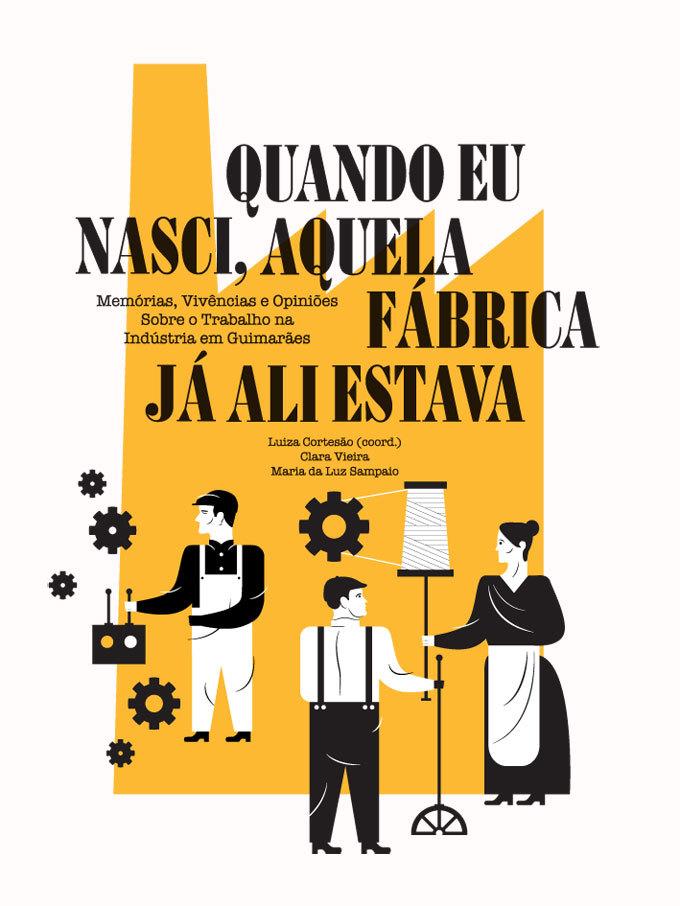
“Quando eu nasci…” (in English, When I was born…) is the first of a set of five autonomous works, with which it sought to compose pictures with some of the present (and past) features of cultural mosaic of Guimarães. The first facet of the city to be explored is the industry, activity that strongly marked and still marks the cultural substrate in this region. Main professional activities weave and bring together people in groups with cultural characteristics, giving them a systematized identity. It has as starting point the explosion and implosion of the industrial sector in the region and includes testimonials from workers, employers and trade unionists.
The Palace of the Dukes of Bragança received this same occasion the inauguration of photografic exhibition on the industry as well as the screening of the film “Human Resources” by Laurent Cantet. The entire project is developed by Paulo Freire Institute of Portugal, in partnership with the Resource Center Paulo Freire and the Investigation and Educative Intervention Center of the Faculty of Psychology and Educational Sciences of the University of Porto – FPCEUP.
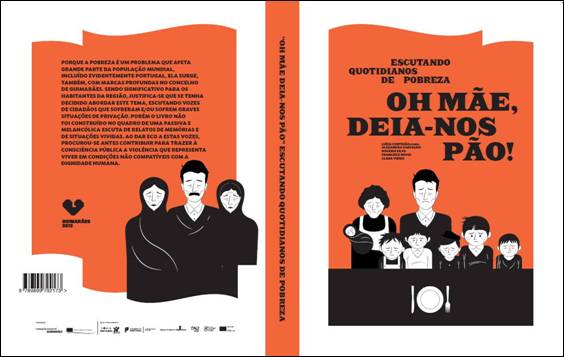
The second book, which focuses on experiences and past and present sufferings of poverty, entitled “Ó mãe, deia-nos pão! Escutando quotidianos de pobreza”(in English, Oh mother, give us bread! Listening daily bases of poverty), was presented on 17 December, 2012, in “Sala do Fundo Antigo” at the Rectory Building of University of Porto (Praça Gomes Teixeira). This session was attended by the authors of the work: Luiza Cortesão, Alexandra Pacheco, Rosario Silva, Francisco Neve and Clara Vieira. The event also was attended by Prof. Fernanda Rodrigues, a researcher at the Investigation and Educative Intervention Center and, by 2010, coordinator of the National Plan of Action for Inclusion; and Dom Manuel Martins, Bishop Emeritus of Setúbal. Fernanda Rodrigues, in the first presentation of the book on 17 October, had made an interesting exhibition developing problems related to the topic covered in the book.
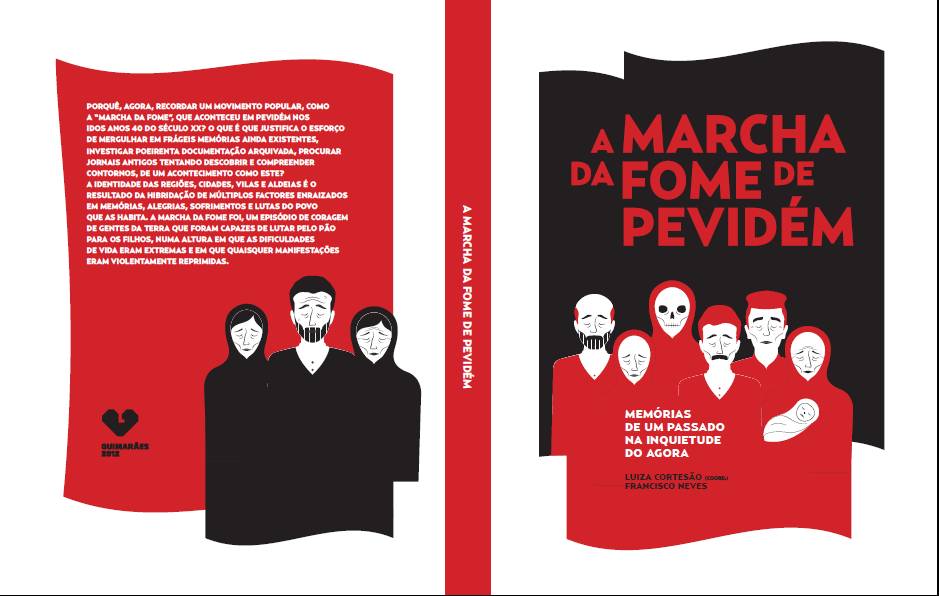
The third book was presented on 18 March, 2013, also in the “Sala do Fundo Antigo” at the Rectory Building of University of Porto. “Marcha da Fome de Pevidém – Memórias de um passado na inquietude do agora” (in English, Hunger March of Pevidém – Memories of a past in the restlessness of now) is the title of the work that recalls a popular movement that happened in Pevidém in the 40s of the twentieth century. What justifies the effort to dive in these still existing fragile memories, investigate the dusty filed documentation, seek old newspapers, trying to discover and understand the contours of an event like this? The reason for the investigation of the “Marcha da Fome”… is that the march marked the identity and the memory of the population of Pevidém through the courage of those who were able to fight for the bread to the children, at a time when difficulties of life were extreme and that any demonstrations were violently repressed. The session was attended by the authors of the work, Luiza Cortesão and Francisco Neves, and Manuel Loff, Professor at the Faculty of Arts, University of Porto, Department of History and Political and International Studies and a researcher at the Center for Transdisciplinary Research Culture Space and Memory.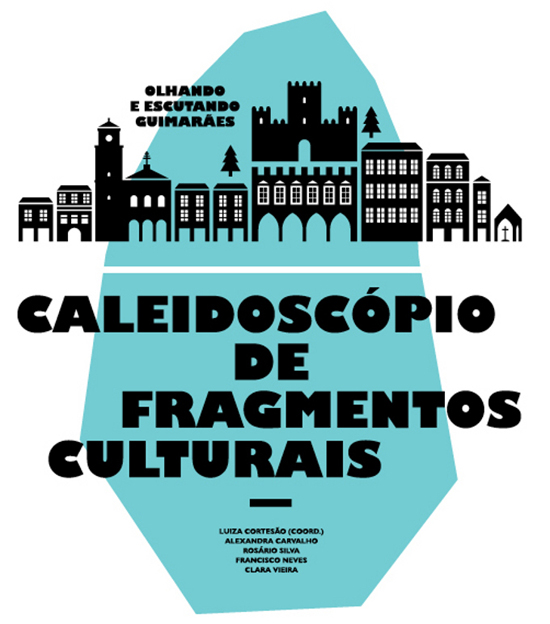
With the fourth book, launched on 12 April 2013, entitled “Caleidoscópio de fragmentos culturais: Olhando e escutando Guimarães” (in English, Kaleidoscope of cultural fragments: Looking and listening Guimarães), was intended to collect various aspects of “vimaranense” culture. Emerged the idea of trying a kind of sampling of some fragments of a “cultural kaleidoscope”, putting metaphorically it in the body of an iceberg, which above the water line was placed (symbolically) cultural aspects that are most evident. The fifth and final book to be launched will be entitled “O mundo todo é de todo o mundo: Narrativas de migrantes em Guimarães” (in English, The whole world is worldwide: Narratives of migrants in Guimarães), and will gather some memories on migration. The book searchs to make it through concrete stories of those who lived/lives this reality, making known pathways and experienced situations and felt by those who launched themselves across borders in the search of a new life. The protagonism is thus given to reports in first-person. Therefore, constitute the core of this work, narratives of those who left and who came to the region of Guimarães. For further information, the contacts are: IPFPortugal@fpce.up.pt and www.ipfp.pt